
Most dogs that leave the Lee County shelter go to rescue groups, and much of that work runs on volunteers. The volunteers told the Board of Supervisors last month that it is getting harder, because some rescues have become wary of taking the county’s dogs.
A vice president of PAWS of Southwest Virginia spoke during the board’s September 15 meeting. The group has lost one of its best rescue partners, the PAWS representative said, after two adult dogs that rescue had taken became sick and put its other dogs at risk. Even puppies are harder to place now, the speaker said, because taking one from Lee County has become “a big gamble.”
The minutes of that meeting were up for approval on October 20 and had not been posted. This account comes from the county’s audio recording of the meeting, which The Lee Daily Register transcribed.
How the dogs get out
The PAWS representative described a weekly routine. Every Wednesday, volunteers drive dogs from the shelter to Norton, and from there drivers take them on to Staunton, where they are handed off to their rescues. PAWS pays for the vehicles, the insurance and the drivers on the longer leg, the speaker said, and the transport costs the county nothing. The speaker has worked with the shelter for about eight years, photographing dogs and networking with rescues.
The figures given to the board line up with the state’s records. About 750 dogs pass through the shelter each year, the speaker said, and an average of about 550 go to rescue. The county’s reports to the Virginia Department of Agriculture and Consumer Services show 717 to 723 dogs handled a year from 2023 to 2025, and 542 to 560 transferred. In 2025, 560 of 721 dogs left on a transfer, as The Lee Daily Register reported this week.
What volunteers want fixed
The request was not for a new shelter. The speaker called the building dilapidated and acknowledged that the county has little money, but asked for improvements that would show rescues the county is making an effort.
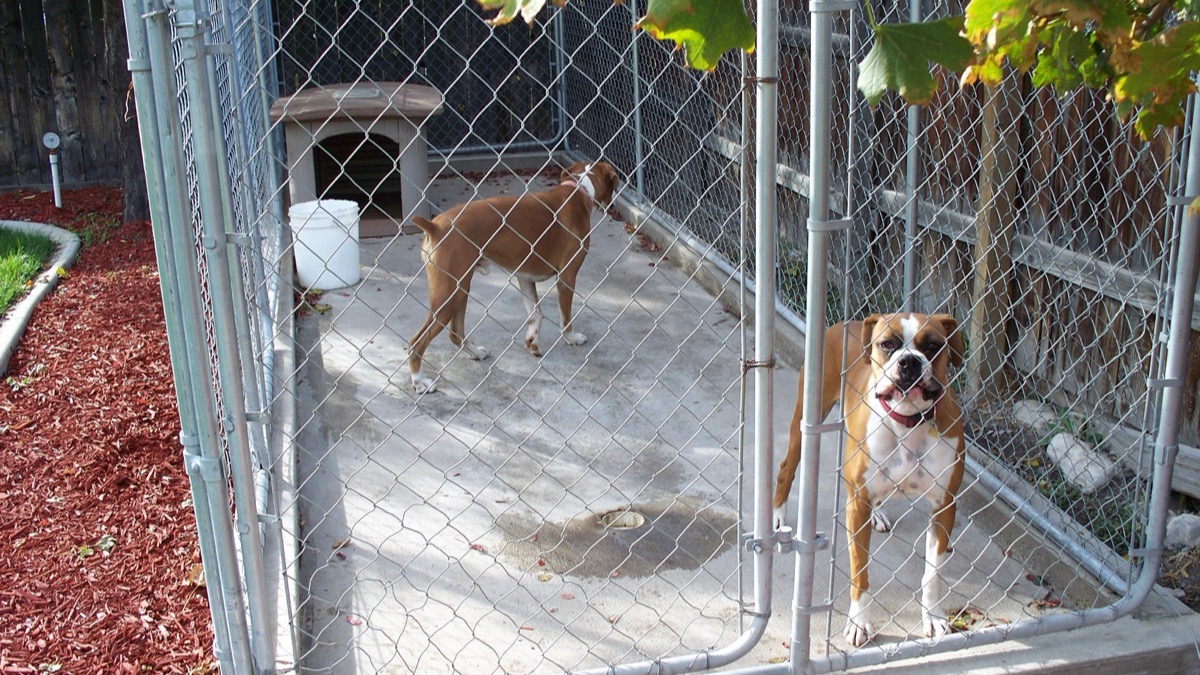
The first is barriers between kennels. The kennels are open to each other, the speaker said, so dogs are nose to nose and urine runs into the next kennel, spreading contamination. The second is cooling. The building has heat but no air conditioning, and it reaches 90 degrees inside in summer, according to the speaker. PAWS bought air conditioners and fans for the shelter a few years ago and paid for them itself, the board was told.
The recording does not capture a vote on the request. The board has approved smaller fixes before. In January 2025, it spent $2,901.68 from a donation by Eastman on materials to repair pens that were in disrepair, according to the January 21, 2025 minutes. The county’s animal control budget for 2026-27 is $269,924, up from $207,735 a year earlier.
A new group for cats
The shelter does not take cats. Its state reports list no cats for any year from 2021 to 2025, and the PAWS representative said the same at the meeting. A second speaker then described a new effort to fill that gap.
That organizer told the board that a group of volunteers formed on September 1 and had 20 cats in foster homes within two weeks. The plans start with vaccinations, medical care and spay and neuter programs for pets, strays and feral cats. The group also wants to manage feral colonies with landlords and start a barn cat program that would place sterilized feral cats in barns. It is working with local veterinarians and the Lincoln Memorial University veterinary school, the organizer said. It has also begun working with the Department of Social Services on homes where a cat matters to someone with special needs, and it hopes to build a permanent facility in the county.
The group is not asking the county for money, the organizer said. It chose to focus on cats because, in the organizer’s words, there is “no cat solution here at the moment.”
