
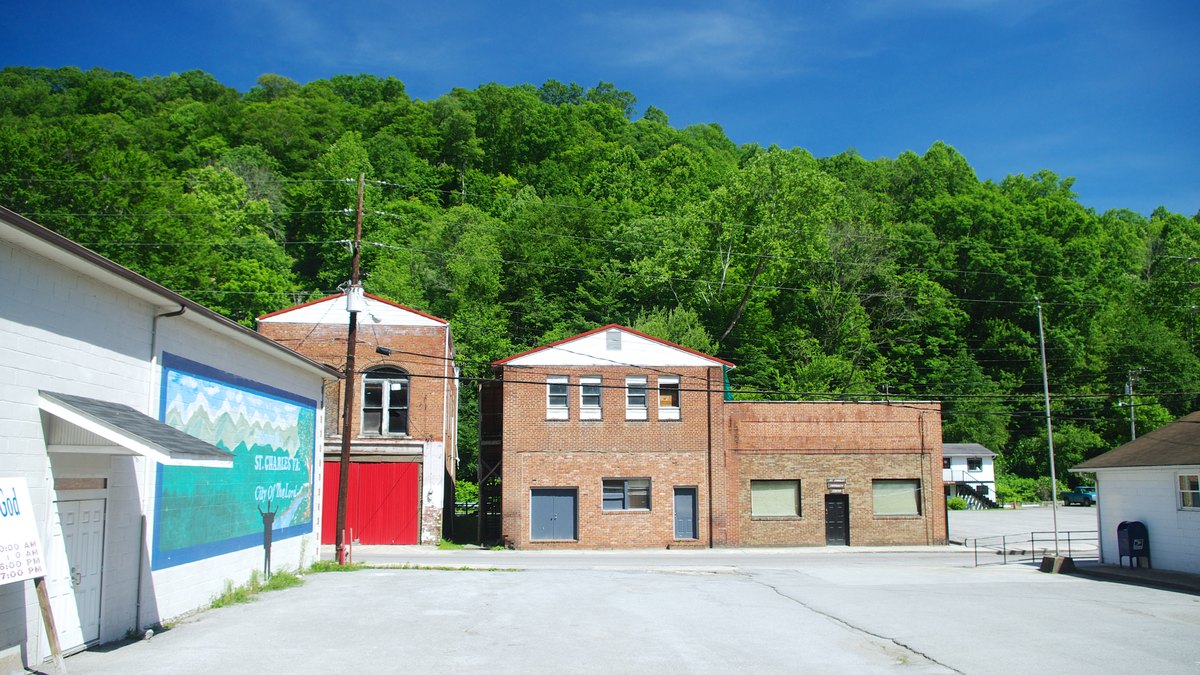
Lee County has 39 days, as of Sunday, Nov. 22, to finish spending its share of the American Rescue Plan. The U.S. Treasury’s deadline to spend State and Local Fiscal Recovery Funds is Dec. 31, 2026, and money not spent by then must be returned, according to Treasury’s September 2026 program newsletter. The deadline to commit the money to projects passed on Dec. 31, 2024.
By The Lee Daily Register’s count from Treasury’s April 2026 public data file, which covers reports through March 31, 2026, Lee County had obligated all $4,549,643 of its award and spent $4,449,643 of it, or 97.8%. The $100,000 still unspent is the county’s local match for the Western Lee sewer project.
Treasury uses three terms: “allocated” (set aside in 2021), “obligated” (committed) and “expended” (paid out). Only the last one counts for Dec. 31.
$205 for every resident, and where it went
Treasury’s county allocation table gave Lee County $4,549,643. Against the 2020 Census count of 22,173 people, which we reported in November, that is $205 per resident.
All 10 county projects sit under Treasury’s revenue replacement category, which covers ordinary government services. The board chose that route on March 15, 2022, voting 5 to 0 to take Treasury’s standard allowance for lost revenue, up to $10 million under the final rule, on County Administrator Dane Poe’s recommendation, according to the March 2022 minutes.
| County project (shortened from Treasury’s description) | Obligated | Spent |
|---|---|---|
| K-12 education funding for fiscal 2025 | $1,629,180 | $1,629,180 |
| St. Charles water line replacement, Phase III | $850,239 | $850,239 |
| Fire air packs, Health Wagon, rescue squad | $801,285 | $801,285 |
| Blackwater water project, Phase II | $772,845 | $772,845 |
| The Fields water line, near Ewing | $137,680 | $137,680 |
| AT&T multi-band originators (cell coverage) | $120,000 | $120,000 |
| Western Lee sewer, local match | $100,000 | $0 |
| Thomas Walker basketball court, Pennington Gap parks director | $57,350 | $57,350 |
| School metal detectors (half the cost) | $53,750 | $53,750 |
| Miscellaneous maintenance | $27,315 | $27,315 |
| Total | $4,549,643 | $4,449,643 |
The three water projects together took $1,760,763, or 38.7% of the award. The single largest line was $1,629,180, about 36%, toward required funding for K-12 public education for the year ending June 30, 2025.
The votes behind the numbers
The amounts supervisors voted do not always match the amounts later reported. On Sept. 27, 2022, the board voted 5 to 0 to put $1,100,000 toward the St. Charles waterline replacement, Phase III, according to the minutes; Treasury shows $850,239. On Nov. 15, 2022, it approved $936,555 for Blackwater Phase II, according to those minutes; the reported figure is $772,845. The minutes we read do not explain the gaps.
The air packs add up exactly. On Jan. 27, 2022, the board voted 5 to 0 to buy 100 air packs for the county’s fire departments at $757,469, according to the Jan. 27 minutes, and added $3,816 in February 2023 for extra parts. Earlier that January it gave $25,000 to the Health Wagon and $15,000 to the Jonesville Rescue Squad, according to the Jan. 11 minutes. Those four sums equal the $801,285 Treasury shows for that project. The description also names $85,000 for mental health staff retention, but that is not in the total: the Sept. 20, 2022 minutes record that Planning District One Behavioral Health refunded it.
The one project still open
The $100,000 for the Western Lee sewer is the only county line with money unspent, and the only one filed as a non-federal match for another federal program: the U.S. Army Corps of Engineers project we followed in October. Treasury marks it “completed less than 50%.”
On Aug. 18, 2026, County Administrator Clint Carter said the Corps wanted another $50,000 in local funds released so more federal money could go into the project, and supervisors voted 5 to 0 to pay $50,000 of ARPA funds to the Corps, according to the August minutes. The corrected fiscal 2026-27 appropriations resolution the board adopted July 21 carries a $100,000 line for American Rescue Plan funds; those minutes also note a further budget amendment was planned for August. Treasury’s file stops at March 31, 2026, so it does not show whether that payment has been made; the county’s final report is due April 30, 2027.
Two towns, two very different reports
The towns received their own money through the state. Pennington Gap’s allocation was $1,785,566, about $1,108 per resident against the Census Bureau’s April 1, 2020 base of 1,612 people in its Virginia town estimates table. The town reported one project, fully spent, described as government services covering administration, sanitation, street repairs and park upkeep. Its 2026 annual report is marked submitted.
Jonesville’s $941,736, about $1,084 per resident on a base of 869, is itemized in more detail. Its file holds 61 entries, but 54 are marked cancelled with no dollars attached; the seven completed ones add up to exactly the allocation. The largest is a $400,570 splash pad at Cumberland Bowl Park, 42.5% of the town’s award. Next is $189,813 for vehicles and equipment, from excavator rental after Hurricane Helene hit the park in September 2024 to two police Ford Explorers. The rest went to park repairs after vandalism ($93,736), premium pay for employees ($91,907), water plant equipment and 350 meters ($87,044), office software and audits ($50,690) and movies in the park ($27,976). Jonesville’s latest submitted report covers the year ending March 31, 2025; its 2026 report was marked in progress when Treasury posted the file.
St. Charles’s share went back to the Treasury
St. Charles is not in Treasury’s recipient list at all. On Jan. 27, 2022, Supervisor Larry Mosley noted the town had been appropriated $100,000, and Poe said St. Charles had no town council to accept it. On Aug. 15, 2023, Poe reported that the state had reviewed the matter and the funds went back to the U.S. Treasury in spring 2022, according to those minutes.
Counting the county and the two towns, $7,276,945 in Rescue Plan money was reported for Lee County governments, and all but $100,000 of it was reported spent in the latest filings.
