
Editor’s note: The original March 2019 version of this column was lost. The Lee Daily Register rebuilt it in October 2026, using current guidance from the Cornell Lab of Ornithology’s NestWatch project.
As days lengthen in early spring, backyard birds start hunting for building supplies. Many people like to help by setting out a “hangout” of nesting material. Done right, it can bring birds close enough to watch. Done wrong, it can hurt the nestlings it was meant to help.
Match what the birds already use
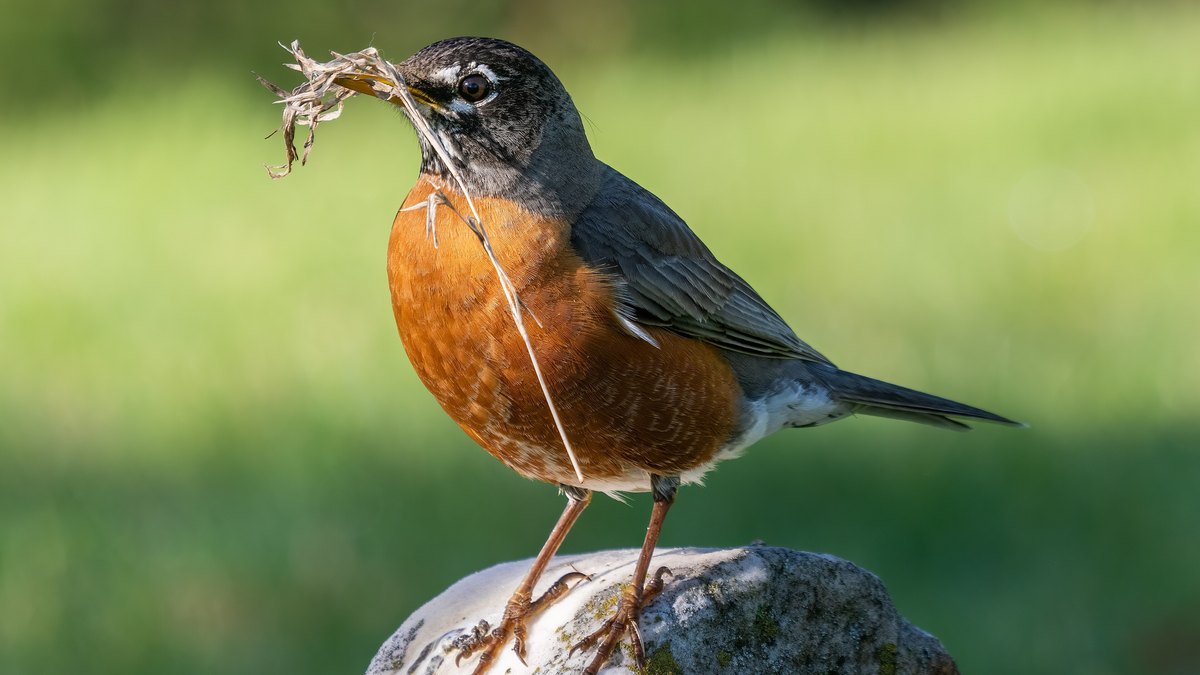
Different birds build with different things. Chickadees and phoebes use plenty of bright green moss, while bluebirds and robins build with grasses and straw, according to NestWatch, a citizen-science project of the Cornell Lab of Ornithology. Many warblers line their nests with fluffy plant fibers from cottonwoods or cattails.
NestWatch recommends sticking to natural items:
- moss, twigs, leaves and lichen
- rootlets
- grass clippings that have not been treated with fertilizer or pesticides
- feathers from backyard chickens or other poultry, if they have not been chemically treated; swallows, wrens and flycatchers may use them
How to set out a hangout
Put the material in a clean, empty suet cage, or simply leave small piles in the yard or along a deck railing. Replace it after rain, or whenever mold or mildew appears, NestWatch advises.
What to leave out
Some common suggestions do more harm than good:
- Yarn and string. Many yarns are synthetic, and even wool and cotton can carry dyes or chemicals that irritate a nestling’s skin. Long strands can also wrap around a young bird’s feet, wings or neck and trap it in the nest.
- Human hair. Strands longer than about an inch pose the same tangling risk.
- Pet and livestock hair. A 2025 study from the United Kingdom found flea and tick insecticides in all of the fur that great tits and blue tits used to line their nests, and higher levels were linked to poorer survival of the young, NestWatch notes.
- Dryer lint. Detergent residue and microplastics from synthetic fabric can be harmful, so lint should never be offered.
Seeing a bird use something in its nest does not mean the material is safe, NestWatch cautions. Birds can find what they need without help. If you do want to lend a hand, the safest approach is to offer only what they would gather in nature.
