
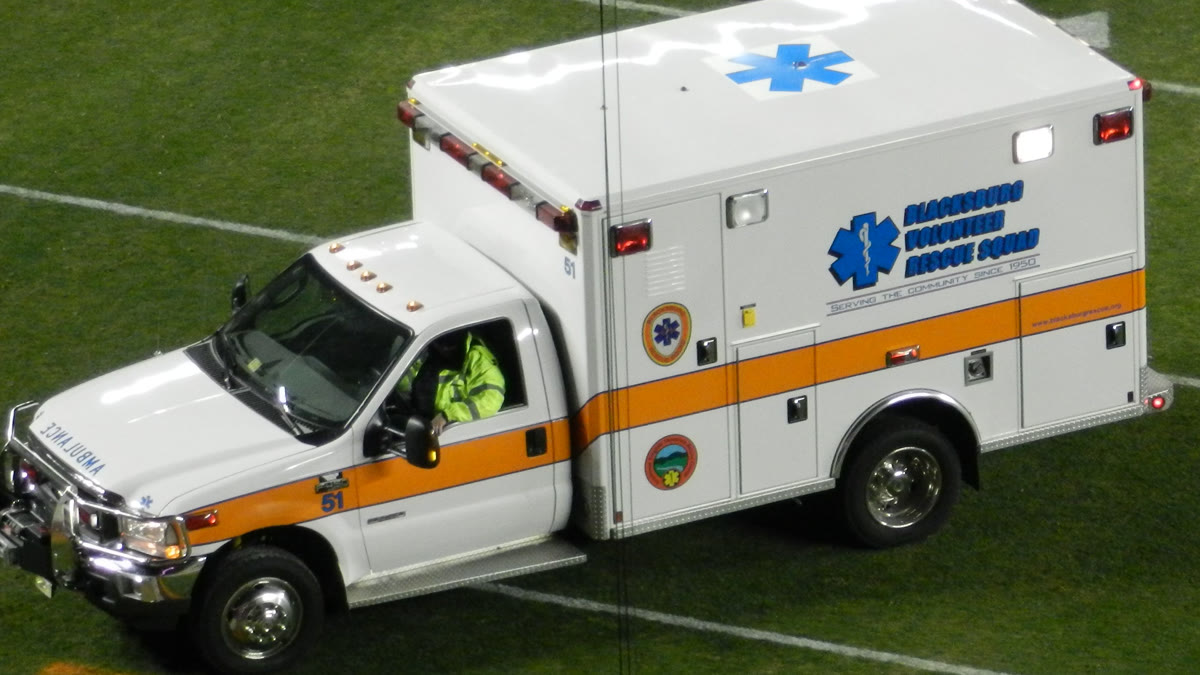
Lee County’s budget line for emergency medical services is much smaller this year. The 2026-27 appropriation labeled “Emergency Medical Service” is $124,700, down from $325,500 a year earlier, a cut of about 62% by The Lee Daily Register’s calculation from the board’s June 29 minutes and the June 25, 2025 minutes.
That line is not the whole picture. In August 2025, the board also set aside $470,000 of its casino revenue-sharing money “for Fire and EMS Funding,” and the minutes do not show how that money was divided. What the record does show is a year of emergency fixes after the county’s busiest ambulance service closed.
The service that answered the most calls
Pennington Gap EMS warned the county in March 2025 that it could not keep going. Lee County had 3,210 EMS calls in 2024, and the town’s service answered 1,241 of them, then-County Administrator Robby Wright told the board, according to the March 11, 2025 minutes. Jonesville answered 1,128, and the county’s other agencies covered 841.
Over almost three years, Wright said, the town’s service had lost just under $300,000, with operating costs of $1.3 million and revenue of just over $1 million. Without help, it would most likely close on June 30, 2025. It did. Supervisor Josh Flanary had told the board he worked there and would lose his job. In July, he said all calls since the closure had been answered “in a timely fashion.” The minutes contain no response-time figures for 2025 or 2026.
Money to the squads, round by round
The board then paid the remaining rescue squads in pieces. The minutes record these votes in the 2025-26 budget year:
- July 24, 2025: $20,000 each to the Jonesville, Dryden and Keokee squads, and $15,000 each to St. Charles and Thomas Walker, pending six months of financial records.
- October 21, 2025: $40,000 to Thomas Walker Rescue Squad to get it through January 2026 while it worked toward 24-hour coverage in District 1, approved 5 to 0.
- October and November 2025: St. Charles funding was rescinded amid a dispute over who led the squad, then restored, with the county administrator allowed to give up to $6,000 when needed.
- May 5, 2026: $2,918 toward repairing a Jonesville ambulance.
By December 9, 2025, the EMS budget had $133,000 left of an original $300,000, Wright reported, according to the December 16 minutes. The minutes do not explain why he used $300,000 when the adopted appropriation was $325,500.
Three ambulances for a $100,000 loan cut
The town’s trucks became a bargaining chip. Pennington Gap offered three ambulances, two of them working, plus supplies, if the county reduced what the town owes on a loan for a potential hotel property by $150,000. On October 21, 2025, the board voted 4 to 1 for a $100,000 loan reduction in exchange for the three trucks, equipment and in-date medical supplies. Supervisor Roger Waddell voted no, according to the October 21 minutes. The minutes since then do not say which squad is using the trucks.
Private offers, no decision on record
Private companies have pitched their own answers. In February 2025, the board approved Lifecare Ambulance Services to operate in the county for transfers and as backup when 911 resources run out. In November 2025, Ed Kiser, president of Pro-Med, offered to buy the squads’ equipment and hire their staff at $20 to $33 an hour. Pro-Med would provide 24-hour coverage across the county with no subsidy, as he said it does in Coeburn, according to the November 18 minutes.
A Wise County police chief described a private model to the board in December, and a meeting with Kiser’s KDK Transport was taken into closed session in January 2026. The minutes through September 15, 2026 record no vote on any of those proposals.
This year’s budget
County Administrator Clint Carter previewed the new number at a June 2 workshop. “This budget goes back to $100,000 for EMS & Rescue,” he said, according to the minutes. The adopted line ended up at $124,700. On June 18, the board moved $63,565.41 left over in the rescue squads line to fire departments, and the budget hearing that night drew no public comment.
In July, the board voted 4 to 0, with Flanary abstaining, to let Carter allocate local fire and rescue funds at his discretion, according to the July 21 minutes. In February, the board asked the General Assembly to change how the state helps pay for local fire and EMS. Its resolution said the county’s system is “increasingly dependent on local tax dollars” and warned that, without reform, “communities risk longer response times, unsafe staffing levels and outdated equipment.”
