
Editor’s note: The original June 2022 version of this article was lost. The Lee Daily Register rebuilt it in October 2026 and added the latest pay figures. The original list, which included fitness trainers, taxi drivers and nail technicians, gave salary averages without a source and promoted a paid essay-writing service. This version uses only U.S. Bureau of Labor Statistics data. The 2021 figures below are from the bureau’s Occupational Outlook Handbook as archived in mid-2022.
A four-year degree is not the only path to a well-paid job. For each of the five occupations below, the Bureau of Labor Statistics lists a high school diploma or the equivalent as the typical entry-level education. “Typical” is not a guarantee, and a diploma is only the starting point: each of these jobs also requires extensive training, mostly on the job and often through a multiyear apprenticeship, and some require a state license. The sections below say which.
For comparison, the median annual wage for all U.S. workers was $45,760 in May 2021, the bureau reported. All five jobs here paid well above that.
1. Elevator and escalator installer and repairer
Median pay: $97,860 a year in May 2021. The bureau says nearly all workers learn the trade through an apprenticeship, and employment was projected to grow 6% from 2020 to 2030, about as fast as average, according to the BLS handbook. It is a small field, with about 24,800 jobs in 2020.
2. Power plant operator, distributor or dispatcher
Median pay: $94,790 a year in May 2021. The bureau lists long-term on-the-job training, and workers typically need a high school diploma or equivalent combined with extensive training that may include classroom and hands-on instruction. Many jobs require a background check and drug and alcohol screening, and nuclear power reactor operators also need a license. The catch is the outlook: the bureau projected that employment in the group would fall 14% from 2020 to 2030, according to the handbook.
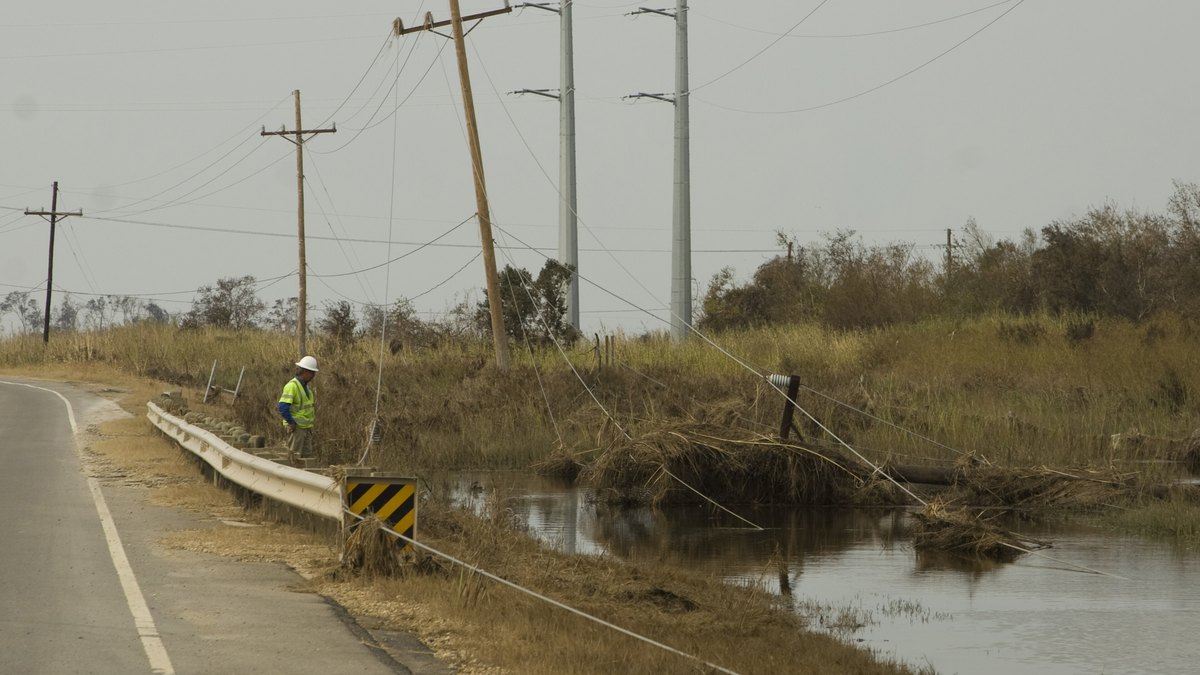
3. Electrical power-line installer and repairer
Median pay: $78,310 a year in May 2021. Line workers typically need technical instruction and long-term on-the-job training, and apprenticeships are common. The bureau’s figure for telecommunications line installers was lower, at $60,190, according to the line installers page.
4. Electrician
Median pay: $60,040 a year in May 2021. Most electricians learn through an apprenticeship, and most states require a license, the handbook says. Employment was projected to grow 9% from 2020 to 2030, with about 84,700 openings a year.
5. Plumber, pipefitter or steamfitter
Median pay: $59,880 a year in May 2021. Most plumbers, pipefitters and steamfitters learn on the job through an apprenticeship, some after attending a vocational-technical school, and most states require plumbers to be licensed. Growth was projected at 5% from 2020 to 2030, slower than average, according to the handbook.
How the pay compares in Virginia
The bureau’s May 2021 wage survey for Virginia put the state’s median hourly wage at $22.69 across all jobs. Median pay was $30.50 an hour for electrical power-line installers, $27.81 for electricians and $23.32 for plumbers, pipefitters and steamfitters. The survey did not publish wage figures for Virginia’s roughly 870 elevator installers and repairers.
What happened next
Pay rose in all five fields. The handbook’s August 27, 2026, update, based on May 2025 wage data, listed these medians:
- Elevator and escalator installers and repairers: $109,910, with 6% growth projected from 2025 to 2035.
- Power plant operators, distributors and dispatchers: $105,080, with employment projected to fall 4%.
- Electrical power-line installers and repairers: $95,320, with 10% growth projected.
- Plumbers, pipefitters and steamfitters: $63,800, with 7% growth projected.
- Electricians: $63,190, with 9% growth projected.
The median for all U.S. workers was $50,980 in May 2025. Each of the five jobs still lists a high school diploma or equivalent as the typical entry-level education. The current pages add some detail on the other requirements. Employers of power plant operators may prefer candidates with a postsecondary degree or related experience, according to the handbook. Apprenticeships are the usual route for elevator installers, electricians and plumbers, and the bureau says plumbing apprenticeships usually last four or five years, while line-worker apprenticeships can run up to three years. Most states require electricians to be licensed.
